

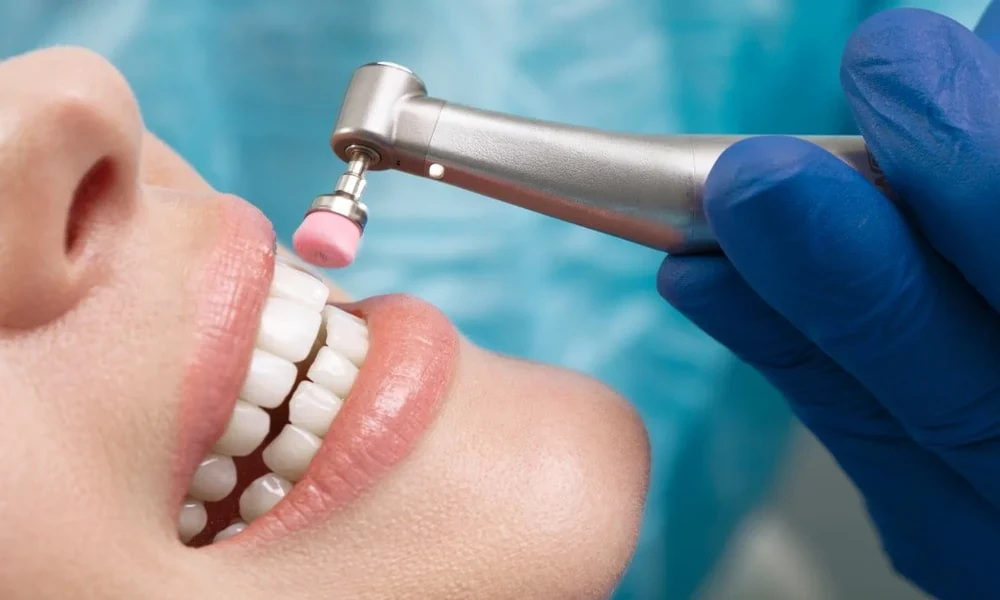
You may have started with one small concern. A stain that will not lift. A chip you feel with your tongue all day. Gums that bleed when you brush, even though you keep meaning to book a visit. It is easy to separate these issues in your mind, cosmetic on one side, health on the other, but your mouth does not work that way. The look of your smile and the condition of your teeth and gums affect each other every day, and for some people, choosing to straighten your teeth with Invisalign in Santa Rosa can support both appearance and oral health.
That is why many people get the best long term results when cosmetic care and prevention are planned together. A brighter smile holds up better when decay is under control. A straight looking tooth is easier to keep clean when bite issues are addressed. Healthy gums create the frame that makes any cosmetic result look natural. 6 ways cosmetic and preventive care work together to strengthen smiles comes down to one idea. Strong smiles are built, protected, and refined at the same time.
Preventive dental care protects the cosmetic work you invest in
Cosmetic treatment can improve color, shape, and balance, but it cannot stop plaque, acid, or inflammation on its own. If you whiten teeth without treating decay risk, new spots or cavities can undercut the result. If you place bonding on a chipped tooth but keep grinding at night, that repair may not last as long as you hoped.
This is where prevention does the quiet work that matters most. Regular exams, cleanings, fluoride, sealants when appropriate, and home care lower the chance that a cosmetic fix turns into a repeated expense. The CDC explains how dental sealants help protect teeth from decay, especially in the grooves where brushing may miss. Protection like that supports a smile that not only looks better, but stays more stable.
Healthy gums make cosmetic results look natural and last longer
You can whiten, reshape, or restore teeth, but if your gums are swollen or receding, the whole smile can still feel off. Gum tissue frames every tooth. When gums are inflamed, the edges of teeth can appear uneven, darker, or longer than they should. That changes the look of your smile even before you notice pain.
Gum disease also threatens the foundation under cosmetic work. According to the National Institute of Dental and Craniofacial Research, gum disease can damage the tissues that hold teeth in place. If gums and bone are not healthy, veneers, bonding, and crowns may face more stress than they were meant to handle. Prevention keeps the frame healthy so cosmetic improvements have something solid to sit on.
Early cavity prevention reduces the need for bigger cosmetic repairs
Most people do not think of tooth decay as a cosmetic issue until it darkens a tooth, breaks an edge, or leaves an old filling showing. By then, the repair is often larger and more costly than it needed to be. Catching decay early can mean a simpler filling instead of a crown, or no restoration at all if risk factors are controlled in time.
The NIDCR outlines how tooth decay develops and progresses. That progression matters because small damage is easier to treat in ways that preserve the natural look of your teeth. Prevention is not separate from appearance. It is often the reason your natural teeth keep their shape, color, and strength long enough to need less cosmetic correction later.
Cosmetic improvements can make daily oral care easier
There is another side to this that people often miss. Some cosmetic changes can support prevention too. Smoothing rough bonding edges, correcting chips that trap food, or replacing worn restorations can make brushing and flossing more effective. If teeth are crowded or bite unevenly, certain areas may collect plaque more easily. Improving form can improve function.
This is one reason a family and cosmetic dentist often looks at your smile as a whole system, not a list of isolated flaws. Cosmetic and preventive dentistry work best when each decision supports the next one. You are not only asking, “How can this look better?” You are also asking, “Will this be easier to maintain six months from now?”
Small preventive habits lower the lifetime cost of smile care
Money weighs on people more than they admit. You may want to improve your smile, but the fear of paying for the same problem twice can stop you from moving forward. That fear is reasonable. Cosmetic work done on top of untreated disease often needs repair sooner. Preventive care lowers that risk.
A polished smile is easier to enjoy when you are not worrying that hidden problems are growing underneath it. That is the real value of pairing appearance with prevention. You spend more wisely because treatment is being protected, not just placed.
| Concern | Cosmetic Only Approach | Cosmetic Plus Preventive Approach |
|---|---|---|
| Tooth staining | Whitening improves color, but sensitivity or decay risk may be missed | Exam first, whitening second, with decay and sensitivity addressed early |
| Chipped tooth | Bonding repairs the shape, but bite stress may cause repeat damage | Repair plus bite review and night guard advice if grinding is present |
| Uneven smile line | Focus stays on tooth shape alone | Gum health and tooth shape are both evaluated for a more natural result |
| Old dental work | Replacement improves appearance, but hidden decay may remain | Restoration is replaced after checking margins, gums, and cavity risk |
A stronger smile comes from coordinated care
The best smile plans are rarely extreme. They are thoughtful. A cleaning before whitening. A gum treatment before veneers. A cavity check before replacing an old front filling. This is the quieter side of smile strengthening through cosmetic and preventive care, and it is often what saves the most time, money, and frustration later.
If you have been putting off care because your concerns feel mixed together, that is common. Many people need both health focused and appearance focused treatment. The good news is that these goals do not compete. They support each other.
Three steps you can take now
Schedule an exam before choosing cosmetic treatment. If you are thinking about whitening, bonding, or veneers, start with a full check of teeth and gums. Hidden decay, grinding, or gum inflammation can change the right plan.
Track the small signs you have been ignoring. Bleeding gums, cold sensitivity, food trapping, and rough tooth edges are easy to brush off. Write them down before your visit. Those details help connect the cosmetic concern you see with the preventive issue you feel.
Ask for a phased plan. You do not need to do everything at once. Many people do best with a sequence that handles disease prevention first, then cosmetic improvements, then maintenance. A clear plan makes care feel manageable.
Your smile does not need perfect teeth to be strong, healthy, and attractive. It needs care that respects how appearance and health work together. When you are ready, book a visit with a family and cosmetic dentist and take the first step toward a smile that looks better because it is healthier too.
