

Every pregnancy app has a hospital bag list, and most of them are too long. You don’t need three going-home outfits or a full makeup pouch. What you will need, more than you expect, are pads for after birth, a phone charger with a long cable, and something to eat at 2 a.m. when the canteen is shut.
Pack by the 36th week. Babies don’t check calendars.
Papers first
Put these in one plastic folder, in the top pocket: Aadhaar or another photo ID for you and your husband, your antenatal file with every scan and blood report, the hospital registration slip, and your insurance card or TPA papers if you’re claiming. Keep a few photocopies. Someone at the billing counter will ask for one, usually while your husband is busy elsewhere.
For you
Most hospitals give you a gown for the delivery itself. After that, you’ll want two or three loose nighties or feeding kurtis that open at the front, a dupatta or stole, warm socks, and slippers with grip, because floors get wet. Pack a hairband, lip balm and a small towel. Hospital AC is drier than you think.
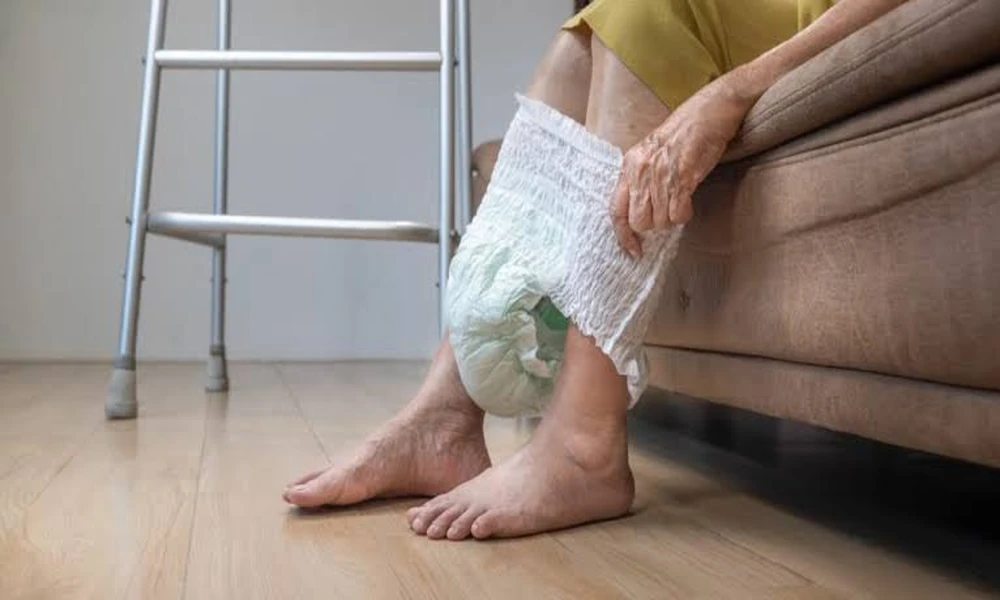
For underwear, bring cheap, high-waisted cotton ones a size up, or disposable ones. They’ll get stained, and they need to hold pads for after birth firmly in place. After a C-section, the waistband shouldn’t sit on the stitches, so high-waisted really matters.
Pads for after birth
This is the part most lists get wrong. The bleeding after delivery, called lochia, is heaviest for the first few days and can carry on for weeks. Regular sanitary pads are too thin and too short for those first days. You want pads for after birth that are long, thick and soft on stitches.
Pack at least one full pack of post-delivery maternity pads in the bag, and keep another at home. Expect to change pads for after birth every two to four hours early on. Friends Maternity Pads come in a version with elastic loops, which helps when your underwear isn’t sitting snugly.
A few disposable underpads under you on the bed save a lot of washing, at the hospital and for the first nights back. Friends Underpads, at 60 by 90 cm, cover the spot that matters.
Call the doctor straight away if you soak through a pad within an hour or pass large clots.
For the baby
Less than you’d think. Four or five soft cotton jhablas, two caps, mittens, socks, two swaddle cloths and a small pack of newborn diapers. Skip scented wipes; plain cotton and warm water are gentler in the first days. One going-home outfit is enough. Nobody remembers what the baby wore.
For whoever stays with you
Someone will sleep in a chair next to your bed. Pack them a shawl, a change of clothes, a toothbrush and some cash for the canteen, even if UPI works everywhere else. A power bank. Phone numbers on paper, in case the phone dies.
Snacks and small comforts
Dry fruits, biscuits, a steel bottle. If your family has postpartum traditions like ajwain water, panjiri or gond laddoo, check with the doctor before eating anything heavy after a C-section. Earphones help during long waits. A pen for forms.
What you can leave at home
Makeup, more than one book, jewellery, extra baby outfits and the big feeding pillow. All of it either stays in the bag or gets in the way.
Conclusion
Pack light, pack early, and pack the boring things well. Papers in one folder. Loose clothes that open at the front. Enough pads for after birth to cover the first two days without anyone running to a chemist. Keep the second pack of post-delivery maternity pads at home, ready for when you walk back in. The rest, honestly, you’ll work out as you go.
