

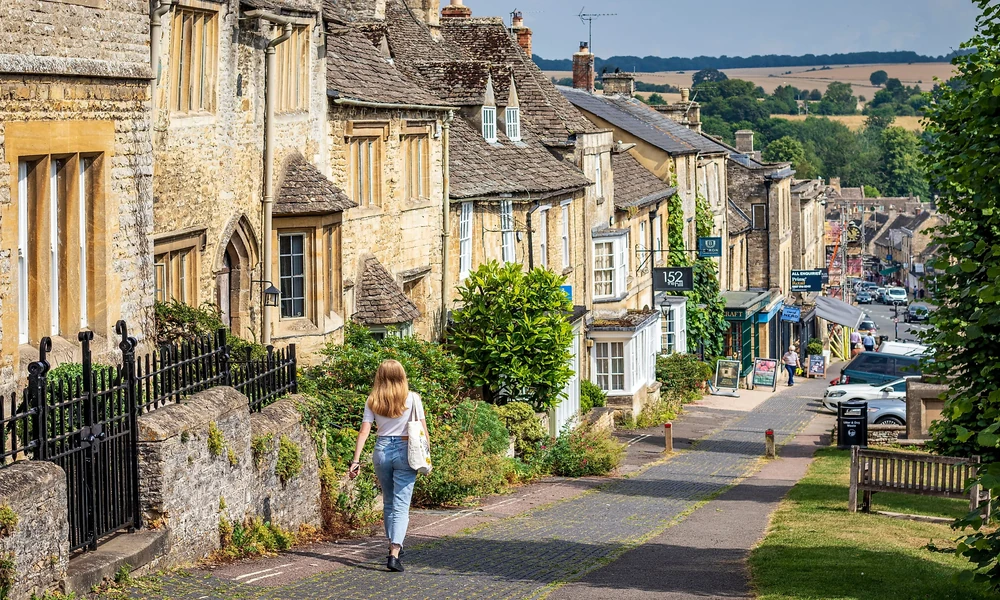
Most people default to the same weekend playbook: a flight to a major city, a generic hotel near the convention center, overpriced brunch. And every time, they come home more tired than when they left. Historic small towns break that pattern completely. They’re quieter, cheaper per experience, loaded with genuine character, and packed with things you genuinely cannot find at a Marriott in downtown Houston.
This isn’t nostalgia talking. The numbers back it up, the traveler behavior data backs it up, and honestly, once you’ve spent a Saturday morning rocking on a wraparound porch listening to nothing but birdsong, you’ll wonder why you ever booked anything else. Here’s exactly what makes these destinations hit differently, and how to pick one worth the drive.
The Crowds Are Actually Gone
One of the most underrated things about a historic small town is what’s not there. No line snaking out the door of a brunch spot. No jostling past tour groups on the sidewalk. No $30 parking. You get to walk at a human pace, stop wherever you feel like stopping, and actually look at what’s around you.
This matters more than most travel writers admit. The reason people feel like they need a vacation after a vacation is volume: too many people, too much noise, too much queuing. Small-town travel reverses that equation. You’re not managing your trip. You’re actually on it.
The physics of small-town movement also change your itinerary. When everything worth seeing sits within a half-mile radius, you stop optimizing and start experiencing. That’s a different trip entirely.
The Lodging Is the Attraction, Not Just a Place to Sleep
In most cities, your hotel room is a box where you store your luggage and occasionally sleep. In a historic small town, the place you stay is often the highlight of the trip.
Think about what that actually means in practice. A restored 1870s Greek Revival house where your room has 13-foot ceilings and the owner makes a two-course breakfast from scratch. A Victorian inn where the firepit gets lit every evening and you’re sharing s’mores with the only other three couples staying there. A cottage that has ghost stories attached to it predating the Civil War. That’s not a commodity. That’s a story you’ll tell for years.
The bed and breakfast sector has been growing steadily to meet this demand. According to Kentley Insights’ 2024 market report, the U.S. Bed-and-Breakfast Inns segment reached $2.0 billion in revenue in 2024, posting 10.3% annual growth over the three prior years, a figure driven almost entirely by travelers who want personalized, place-specific stays rather than brand-standardized ones.
If that’s the kind of stay you want, the search for Jefferson TX weekend getaway lodging is worth starting early. Jefferson, Texas holds the distinction of being called the Bed and Breakfast Capital of Texas, with a range of historic inns and award-winning properties that sit inside buildings with genuine 19th-century bones.
History You Can Actually Touch
There’s a version of history that happens in a museum, behind glass, with a laminated placard. And then there’s the version that happens in a small town, where you’re eating at a restaurant that used to be a general store, walking on original brick streets, and taking a boat tour down the same bayou that once connected the town to New Orleans by steamboat.
The second version is more interesting. By a lot.
Historic small towns that have genuinely preserved their built environment give you access to texture that no renovation project can replicate. Architecture, artifacts, and street layout carry cultural memory in ways that recreated spaces simply don’t. When a building has housed five different businesses across 150 years, it accumulates a kind of weight that you feel even before you know the history.
That’s the pull for culturally motivated travelers, and it’s a real and growing segment. Towns like these lean into heritage tourism deliberately: historic home tours in spring and candlelight walking tours in December, haunted property tours on weekends, carriage rides down streets that look almost exactly as they did a century ago.
The Economic Argument for Choosing Small Over Big
Here’s a framing that doesn’t come up enough: where your travel dollars actually land matters. In a major city, your hotel spend flows to a publicly traded hospitality conglomerate. Your dinner revenue goes to a regional chain. The money disperses widely and thinly.
In a small town, you’re eating at a restaurant owned by someone who also lives there. Your B&B booking keeps a family business running. Your antique shop purchase goes directly to the person standing behind the counter. The local economic loop is tight and immediate.
The U.S. Travel Association’s 2024 national data shows that travelers directly spent $1.3 trillion across the country, supporting more than 15 million American jobs. In small communities, that spending ratio translates disproportionately to local employment and local business survival. Choosing a historic destination over a generic one isn’t just a preference. It’s a meaningful allocation of consumer spending.
“Small towns with strong heritage identities and walkable historic districts consistently outperform comparable destinations in visitor satisfaction and repeat visit rates,” notes research published by the National Trust for Historic Preservation on heritage tourism economics. The pattern holds across regions: authentic built environments generate loyalty that manufactured experiences rarely do.
The Weekend Reset Formula That Actually Works
After testing dozens of trip formats, the one that consistently produces the most refreshed return home follows a simple three-part structure. Call it the Weekend Reset Formula:
- Arrive with low agenda density. Book one anchor activity per day, max. Leave the rest open. The best moments in small towns are unplanned: the local you meet at the general store, the side street you wander down, the place that doesn’t have a website.
- Stay somewhere with a story. The lodging choice shapes the whole trip. A property with history, personality, and an owner who can tell you what’s worth doing that weekend beats any chain hotel. Ask the innkeeper for their honest recommendation before you check in.
- Eat and shop only local. This sounds obvious, but it requires a little discipline when you spot a familiar franchise logo. Commit to it. The local restaurant is almost always better, and the story of how it got there is usually worth asking about.
That’s it. Three constraints. They remove the noise and pressure that turn trips into projects, and they focus your attention on exactly the things that make small-town travel different from anything else.
How to Pick the Right Town
| What You Want | What to Look For in a Destination |
|---|---|
| Genuine history, not recreation | National Register of Historic Places listings, original architecture, operating historic properties |
| Character lodging | Independent B&Bs, historic inns, properties built before 1900 |
| Walkable experience | Compact historic downtown with shops, restaurants, and attractions within a half mile |
| Natural access | Proximity to lakes, bayous, forests, or trails within a short drive |
| Unique local culture | Annual events, ghost tours, food traditions, or quirky local lore |
The towns that check all five of those boxes are rarer than you’d think. When you find one, it’s worth returning to more than once. The best destinations reveal themselves across seasons, and a place that’s perfect in spring is often completely different and equally good at Christmas.
Your next two days off deserve better than a chain hotel and a crowded tourist strip. Pick a town with some history behind it, book a place that has a story to tell, and show up without a minute-by-minute plan. That’s the whole method.
