

Walk down almost any street in Noblesville or Avon after a week of February thaw and refreeze, and the houses start telling on themselves. One vinyl wall ripples like a bedsheet on a line. A fiber cement home a few doors down shows paint lifting along the bottom course, right where the snow sat for a month. Then there is the house that looks exactly the way it did in October. The gap between those three usually comes down to two decisions made years earlier, which material went up and how carefully it was hung.
That is a decision plenty of homeowners around Indianapolis eventually face, often right after a spring hailstorm. Harber Exteriors, a family and veteran owned roofing, siding and gutter company based in Cicero, installs both vinyl and fiber cement across the greater Indianapolis area and works directly with insurance carriers when storm damage forces the question. Still, the choice of material belongs to the person living behind the wall, and it gets far simpler once you understand how each option behaves in this particular climate.
The Weather That Grades Every Wall Around Here
Most of central Indiana sits in climate zone 5. Summers run hot and sticky, winters bounce above and below freezing dozens of times, and spring brings hail and straight line winds that test anything bolted to a house. Siding here has to survive four separate pressures at once. It expands and shrinks with temperature. It sheds water and snowmelt. It takes hits from hail, branches and stray baseballs. And it sits in full sun that bleaches color year after year.
No material aces all four. Each one simply trades strengths in a different order.
Movement Is Where Vinyl Wins or Loses
Vinyl is the most common siding in the country for good reasons. It is affordable, it never needs paint, and a damaged panel can be unlocked and swapped in under an hour by someone with the right tool. Its weakness is that it moves. A standard twelve foot panel can grow and shrink by roughly half an inch between a July afternoon and a January night.
That movement is harmless when the installer respects it. Nails should sit in the center of the slots and stop just short of snug, so the panel can slide. Ends need room inside the trim channels. When a crew drives nails tight to rush a job, the panel has nowhere to go, and the result is the wavy, buckled look people blame on cheap vinyl. Most of the time the vinyl was fine and the nailing was not.
Cold creates the other concern. Vinyl turns stiffer and more brittle in deep winter, so a hailstone or a kicked up chunk of ice from a snowblower can crack a panel that would simply flex in summer. Thicker panels hold up noticeably better, which is why the gauge on a quote matters more than the brand name printed on it.
The Heavyweight Option and Its Hidden Upkeep
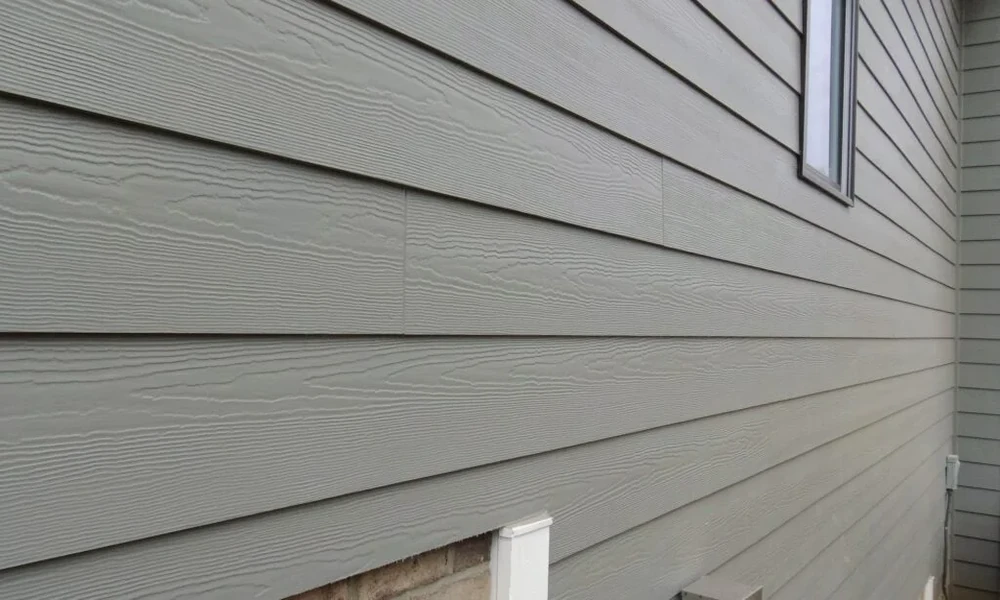
Fiber cement is made from cement, sand and wood fibers, pressed into planks, shakes or panels that convincingly imitate painted wood. It barely reacts to temperature swings, it will not burn, and it shrugs off the kind of moderate hail that dents aluminum and cracks cold vinyl. For homeowners chasing a Craftsman or farmhouse look, it reads as real lap siding from the curb in a way vinyl rarely does.
The tradeoffs are quieter but real.
- It weighs a lot, so installation takes longer and costs more, often well above standard vinyl.
- Cutting it releases silica dust, which means a competent crew uses proper saws and dust control rather than a dry blade in the driveway.
- Manufacturers require clearance above the ground and above any roofline it meets, and on Indiana homes those bottom courses spend weeks buried in snowpack.
- It does need paint eventually. Factory applied finishes last considerably longer than field paint, but a repaint will arrive at some point.
When fiber cement fails early, the cause is usually water wicking into an unsealed cut edge or a plank installed too close to grade, not the material itself.
Foam Backing and the Studs Nobody Thinks About
Insulated siding is vinyl with a layer of contoured foam bonded to the back. People sometimes expect it to transform a drafty house, and that expectation needs adjusting. The added R-value is modest, typically in the low single digits.
Its real job is subtler. Wood studs conduct heat far more easily than the insulation packed between them, so every stud acts like a small bridge carrying warmth out of the house in winter. A continuous layer outside the framing interrupts that pattern, and the Building America Solution Center specifically lists insulated vinyl siding as one way to reduce thermal bridging through framed walls. For an older home where opening interior walls to add insulation is not on the table, that matters.
The foam also stiffens each panel. Walls look flatter, panels resist dents better than hollow vinyl, and street noise softens a little. Expect a higher price than standard vinyl and slightly deeper trim around windows and doors to accommodate the thicker profile.
Matching the Material to the House You Actually Have
Price and looks only tell part of the story. The better question is what this particular house and this particular owner need over the next fifteen years.
Someone planning to sell within a few years, or upgrading a rental, usually gets the most value from a thicker gauge standard vinyl installed by a careful crew. A family in a 1970s ranch with stubborn winter heating bills and no intention of gutting drywall has a strong case for insulated vinyl. An owner who plans to stay for decades, loves the look of painted wood, and does not mind budgeting for a future repaint will likely be happiest with fiber cement.
Mixing is common too. Some homeowners run fiber cement on the street facing elevation and vinyl on the sides and back, splitting the cost while keeping curb appeal where it counts.
Reading the Wall Before Replacing It
Not every tired exterior needs a full tear off. Fading, bubbling, warped or loose panels, mold streaks and soft spots behind fiber cement paint are the warning signs worth investigating, and a few localized problems can often be repaired.
After a hailstorm, photograph damage the same day and check how your policy handles matching. Vinyl colors get discontinued, and a patch of brand new panels beside sun faded originals can look worse than the dents did. That detail alone shapes many replacement decisions.
It also pays to look up before looking at the wall. Overflowing or sagging gutters dump water straight down the siding, and that steady soaking explains a surprising share of stained, rotted or peeling bottom courses. Fix the water first, and whichever material goes up next will have a fair chance to last as long as it should.
