

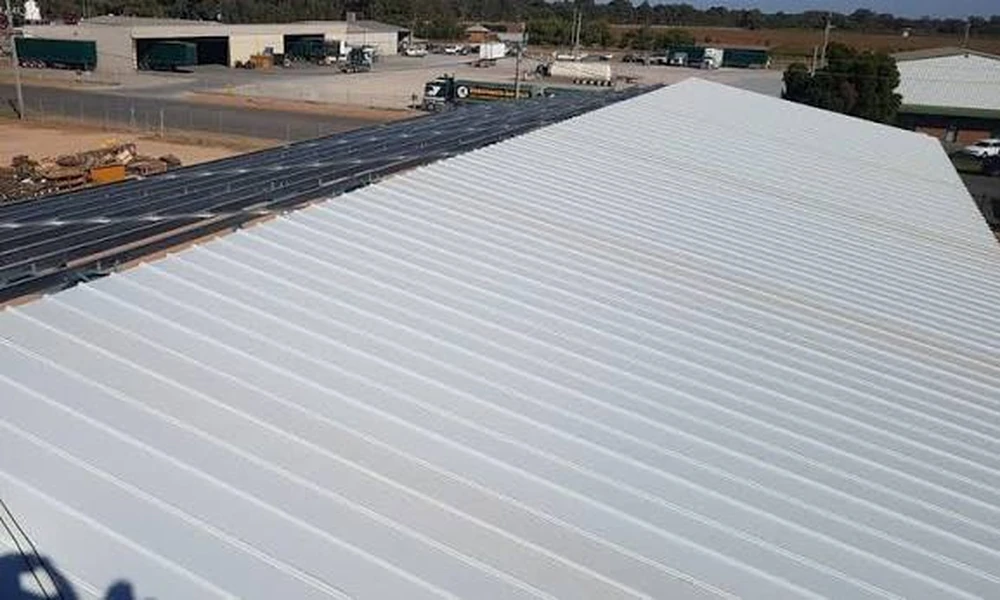
Fourteen flat roofs on one block in Hialeah, and eleven of them survived Hurricane Irma without a single interior leak. The three that failed had the same defect, and it had nothing to do with the membrane. It was drainage.
I’ve walked a lot of low-slope roofs in Miami-Dade and Broward over the years, and the pattern holds every time. People assume flat roofing is the risky choice in South Florida because wind gets under the edge and rain has nowhere to run. Wrong on both counts, mostly. A properly specified flat roof handles wind better than most pitched systems, and water management is an engineering problem you can solve on paper before anyone touches a roll of membrane. What sinks these roofs is installation shortcuts, and those you can catch before you sign.
If you’re comparing bids and the numbers are all over the map, that gap usually traces back to materials, drainage design, or both. Reputable flat roofing services in South Florida will walk the deck with you and explain which system fits your building instead of quoting a square footage price over the phone.
Why a Low-Slope Roof Handles Wind Better Than You Think
Pitched roofs present a big angled sail to the wind. Low-slope roofs sit closer to the deck, and when the perimeter is fastened correctly, there’s far less for uplift pressure to grab. That’s the whole trick, and it’s also where cheap jobs fall apart.
The failure point is almost never the field of the membrane. It’s the edges, the corners, and anything that penetrates the surface. Wind tears a roof apart at its weakest attachment, then peels inward from there. According to the National Weather Service, wind is the leading cause of storm damage across the country, and in coastal Florida that pressure gets concentrated at roof perimeters during tropical systems.
Here’s my own rule for evaluating any bid, and I call it the Corner Test. Ask the contractor to show you, in writing, exactly how the corners and perimeter will be fastened and what the wind uplift rating is for that assembly. If they can’t answer without calling someone, that’s your answer right there. Corners are where the money goes and where corners get cut, pun fully intended.
Drainage Is the Whole Ballgame
Standing water kills low-slope roofs faster than sunshine does. Ponding adds weight, pushes water past seals, and turns a small pinhole into a ceiling stain in your living room within one wet season. Slope, drain placement, and overflow scuppers all have to be designed together, and Florida’s code takes this seriously.
The Florida Building Code sets minimum roof slope and drainage requirements that vary by roof system and building type, and your contractor should be able to point to the specific section that applies to your job. You can review the current code through the Florida House of Representatives. In my experience, most residential flat roof failures I’ve inspected came down to a single low spot the original installer never corrected, not a materials problem.
A quick way to check your own roof: after a hard rain, walk outside and look for water still sitting there two days later. Puddles that hang around past 48 hours mean the slope is wrong or the drain is clogged. Either one is fixable, and fixing it early costs a fraction of what a tear-off costs.
Picking the Right Membrane Without Getting Sold Up
Most flat roofs in South Florida use one of four systems. Here’s the honest breakdown from someone who’s installed all of them.
- TPO – Single-ply, white, reflects heat, welds at the seams. Great for commercial buildings and hot decks. My default pick for most commercial jobs.
- Modified bitumen – Asphalt-based rolls, torch or self-adhered. Tough, familiar to every crew in the state, and a solid value play for residential flat roofs.
- EPDM – Rubber, black, ages well in sun but absorbs heat. Less common here, still a workhorse on the right deck.
- Built-up roofing – Layered felt and asphalt. Heavy, durable, and priced accordingly. Worth it on large commercial buildings where longevity is the priority.
Here’s my stance, and you can take it or leave it: for a residential flat roof in South Florida, self-adhered modified bitumen wins on value in most cases. It handles heat cycling well, any competent crew can install it correctly, and repairs don’t require a specialty torch. For commercial, I’d push you toward TPO every time, mostly because of the reflectivity and the seam strength.
Whatever you choose, the membrane has to carry a fire rating from a recognized testing body. Underwriters Laboratories maintains the UL classification standards that most roofing products are evaluated against, and any material your contractor quotes should have that documentation available.
What to Demand Before You Sign
A flat roof is only as good as the paperwork behind it. Bring this list to every bid meeting and watch how fast the conversation changes.
- Wind uplift rating in writing, for the full assembly, not just the membrane.
- A drainage plan showing slope, drain locations, and overflow provisions.
- Manufacturer warranty terms, in the manufacturer’s own document, not a summary on the bid.
- The names of two flat roof jobs the crew completed in the past year that you can go look at yourself.
- Whether the company pulls permits in its own name or subcontracts that step out.
That last one matters more than people realize. If the permit isn’t pulled in the contractor’s name, your warranty and your insurance claim both get shakier when something goes wrong.
The maintenance side is boring and it’s also where you make your money back. Clear the drains twice a year, once before storm season and once after. Sweep the surface so debris doesn’t dam water at the low point. Walk the perimeter after any named storm and look for lifted edges. That’s a twenty minute routine twice a year, and it’s the difference between a twenty year roof and an eight year roof in this climate.
The Bottom Line on Flat Roofs Here
Flat roofs belong in South Florida. They handle wind, they shed water when designed right, and they give you usable space on top that a pitched roof never will. The failures you hear about come down to drainage and perimeter fastening, both of which you can verify before a single nail goes in.
So ask the hard questions up front. Insist on the uplift rating, the drainage plan, and the permit in the contractor’s name. A flat roof built that way will outlast the loan you took out to pay for it. Skip those steps and you’ll be chasing leaks for a decade. Which kind of owner are you going to be?
