

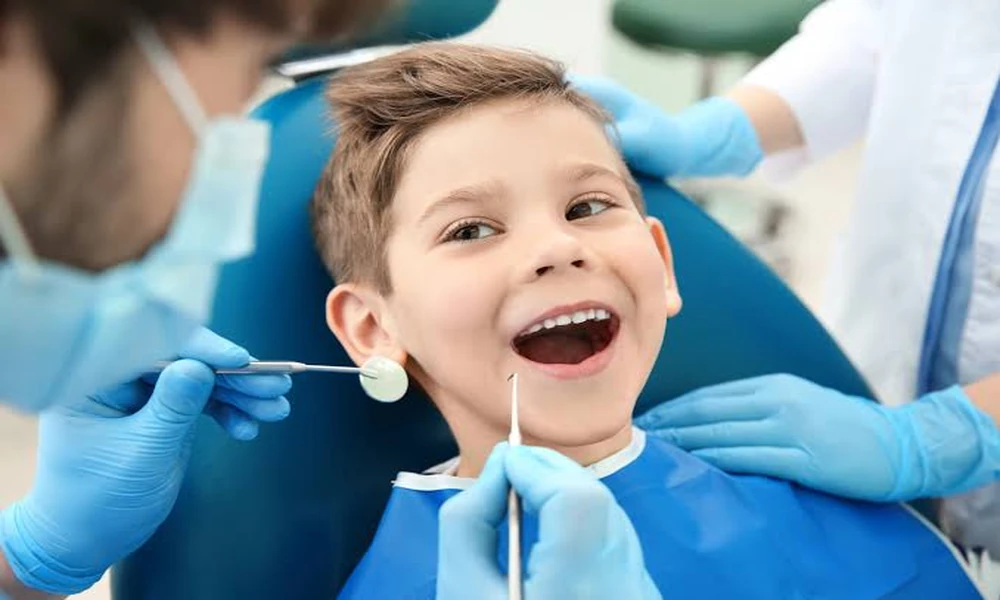
You notice the small things first. A front tooth comes in crooked. Your child bites the inside of their cheek. Brushing takes longer because a few teeth overlap and trap food. Then someone mentions braces, and what seemed like a normal stage of growing up starts to feel bigger, more expensive, and harder to time. In some cases, Bridgewater clear aligners may also become part of the conversation.
That stress is real. Orthodontic care often arrives in the middle of everything else, school schedules, sports, loose teeth, growth spurts, and a child who may already feel nervous about dental visits. A family dentist helps make that shift easier because your child is not starting over with a stranger. Their dental history, habits, comfort level, and early bite changes are already being tracked, which makes the move into orthodontic treatment more steady and less overwhelming.
Family dentistry creates a smoother path to orthodontic treatment
Children rarely go from perfect tooth alignment to braces overnight. The need for orthodontic care usually shows up in stages. A family dentist sees those stages early during regular exams and cleanings, often before your child feels pain or before crowding becomes obvious in photos. That matters because timing shapes the whole experience.
According to MedlinePlus information on orthodontia, orthodontic treatment can correct problems such as crowded, crooked, or protruding teeth and bite issues. When a family dentist watches your child’s mouth develop over time, they can spot patterns that suggest your child may benefit from an orthodontic evaluation. That does not always mean braces right away. Sometimes it means monitoring jaw growth. Sometimes it means making room for adult teeth. Sometimes it means waiting, which can be just as helpful as acting too soon.
This is where family dentistry and orthodontic care work well together. Your child already knows the office, the sounds, and the people. That familiarity lowers resistance. A child who might shut down in a brand new specialist setting often feels calmer when the referral comes from a dentist they trust.
Early monitoring reduces surprises for children and parents
Many parents worry they missed something. They see spacing, crowding, thumb sucking, mouth breathing, or a bite that looks off, and they wonder if they waited too long. In most cases, the better question is whether someone has been watching the pattern over time. A family dentist does exactly that.
Regular dental visits support more than cavity prevention. They help track eruption timing, jaw development, and oral habits that can affect alignment. The CDC shares oral health tips for children that reinforce how daily care and preventive visits protect a child’s mouth as it grows. Those visits also create a record. If baby teeth are lost early from decay or injury, nearby teeth can shift into the open space and change how permanent teeth come in. That can make later orthodontic needs more complicated.
A family dentist can also catch concerns tied to injuries. If your child takes a fall, gets hit during play, or chips a tooth, follow-up matters. MedlinePlus guidance on dental trauma explains how damage to teeth and surrounding tissues can affect long-term oral health. Injuries sometimes change tooth position or growth, and those changes may not be obvious right away.
Trust and continuity help children accept orthodontic care
Children do not separate dental care into neat categories the way adults do. To them, it is all one experience. If they already feel safe with their family dentist, they are more likely to accept X-rays, impressions, referrals, and the idea of braces or aligners. That emotional carryover is a big reason children transitioning to orthodontics often do better when family dental care comes first.
The practical side matters too. A family dentist can explain what your child is seeing and feeling in plain language. They can tell you whether crowding is mild or getting worse, whether oral hygiene needs work before braces, and whether habits like nail biting or poor brushing may create problems during treatment. That kind of guidance keeps orthodontic care from feeling like a sudden event. It becomes the next step in a plan that has already started.
Family dentist support before orthodontics often saves time and stress
Orthodontists focus on alignment and bite correction. Family dentists focus on the full day to day health of your child’s mouth. Those roles are different, and they support each other. Before orthodontic treatment begins, cavities may need to be treated, gums may need attention, and brushing habits may need to improve. If those basics are skipped, braces can become harder to manage and plaque buildup can rise fast.
| With ongoing family dental care | Without ongoing family dental care |
|---|---|
| Early signs of crowding or bite issues are tracked over time | Problems may be noticed later, when correction is more involved |
| Child enters orthodontic consult with an existing comfort level | New setting and new provider may increase anxiety |
| Cavities, gum issues, and hygiene habits can be addressed before braces | Orthodontic treatment may be delayed by untreated dental problems |
| Dental injuries or early tooth loss are documented and managed | Past changes may be missed or explained only from memory |
| Parents get steady guidance on timing and next steps | Decisions may feel rushed or unclear |
Simple steps help your child move into orthodontic care with less fear
Keep regular family dental visits on schedule. Routine exams do more than clean teeth. They show how your child’s bite, spacing, and oral habits are changing. If orthodontic care is likely, you will know sooner and have more options.
Ask for a clear timeline, not just a referral. If your child may need braces or another form of orthodontic treatment, ask what the dentist is watching, what signs matter, and when an orthodontic consult makes sense. That gives you something concrete instead of vague worry.
Prepare your child with familiar language. Children handle change better when they know what to expect. Use simple words. Tell them the orthodontist helps teeth grow into better positions, and that their family dentist is part of the same team helping their mouth stay healthy.
A steady dental home makes orthodontic care feel more manageable
The transition to braces or other alignment treatment can feel like a big leap, especially when your child is already juggling school, activities, and the normal emotions that come with growing up. A family dentist helps turn that leap into a series of smaller, easier steps. Your child gets continuity, you get clearer guidance, and orthodontic care becomes less of a surprise and more of a plan.
If your child’s teeth are shifting, crowding, or developing in a way that concerns you, schedule a visit with a family dentist and ask what comes next.
