

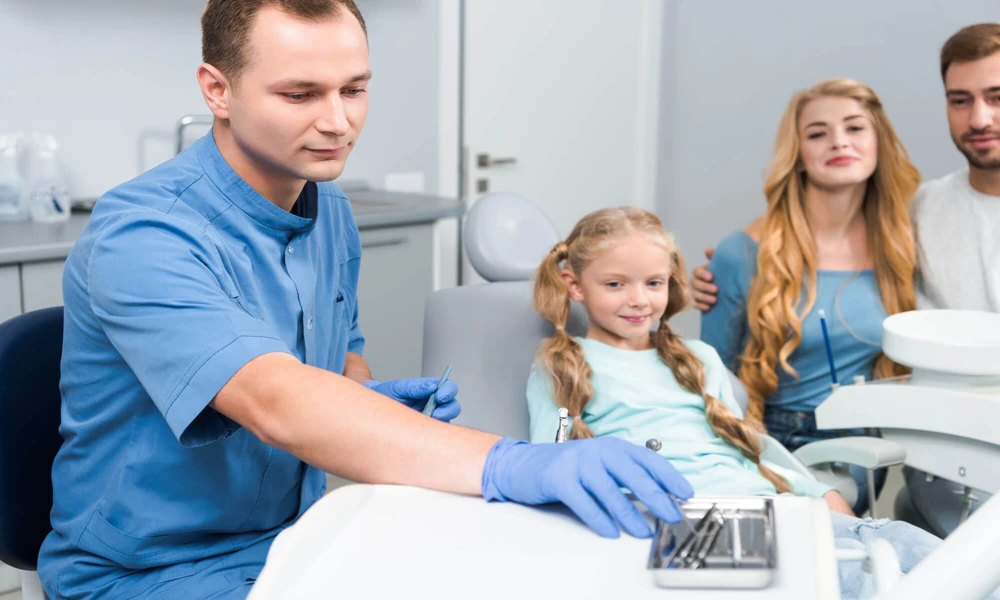
You are not dealing with one dental issue. You are dealing with a moving target. A toddler fights toothbrushing, a teen needs help through braces or sports, you put off your own cleaning because work is packed, and an older parent starts mentioning dry mouth or sore gums. Dental care rarely lands on one calm, open day in the calendar. It shows up in stages, often all at once, and that is why How Family Dentistry Addresses Oral Health Across Every Life Stage matters to real families visiting a dental office in Jackson Heights, Queens.
A family dentist treats more than teeth. They track changes over time, spot patterns early, and help each person in your home get care that fits their age, habits, and risks. That continuity can save stress, money, and avoidable pain. A good family dentist helps you move from baby teeth to aging smiles without starting over every few years.
Family dentistry supports oral health needs from childhood through older adulthood
Children need prevention first. Adults often need maintenance and repair. Older adults may face gum disease, tooth loss, medication side effects, and changes in dexterity that make home care harder. One office that understands each phase can make the process feel less fragmented.
Early childhood care sets the tone. Cavities in baby teeth are not a small issue just because those teeth fall out. Pain, trouble eating, speech concerns, and damage to the space needed for adult teeth can all follow. The CDC shares practical oral health tips for children that reinforce how much daily habits matter from the start.
Then life shifts. School schedules get crowded, teens become less interested in reminders, and adults start ignoring their own symptoms because everyone else comes first. Bleeding gums, jaw soreness, or a tooth that reacts to cold can linger for months when no one wants to make another appointment. That delay tends to raise the cost later. A small cavity becomes a filling, then a crown, then sometimes a root canal.
Adults also carry risks that build quietly. Tobacco use, stress grinding, diet, pregnancy, diabetes, and skipped preventive visits all affect the mouth. The CDC outlines oral health tips for adults that connect routine dental care with overall health, not just appearance.
Older adults face another layer. Receding gums expose roots. Medications reduce saliva. Dentures need fit checks. Existing dental work ages just like the rest of the body. According to the CDC’s selected oral health findings, untreated disease and tooth loss still affect many adults across the country. Those numbers reflect something families already know firsthand. Oral health problems do not disappear with age. They often become more expensive and more disruptive if ignored.
A family dental practice reduces gaps in care and catches problems earlier
Seeing different providers at different ages can work, but it often creates gaps. Records get scattered. Advice changes. A child who was anxious at age six may still carry that fear at sixteen. An adult who has a history of gum disease may need closer follow up than a standard six month routine. A dentist who knows your family history, habits, and recurring issues is better positioned to notice when something shifts.
That can look simple on the surface. A bite change in a teen. More plaque buildup in a parent who just started a new medication. A grandparent whose denture irritation turns out to be a fit problem instead of “just getting older.” Those details are easy to miss when care is disconnected.
Dental care for every age also helps with the emotional side of treatment. Children often feel calmer when they return to a familiar office. Adults are more likely to book visits when scheduling is easier. Older family members may be more willing to go when the setting feels known and respectful. Convenience is not a luxury in healthcare. It affects whether care happens at all.
Preventive care and delayed treatment lead to very different outcomes
| Life Stage | Common Concern | Preventive Family Dental Care | If Care Is Delayed |
|---|---|---|---|
| Young children | Early cavities, thumb sucking, brushing struggles | Exams, cleanings, fluoride, sealants, parent guidance | Pain, infection, eating trouble, damage to developing teeth |
| Teens | Orthodontic hygiene, sports injuries, sugary drinks | Routine checkups, hygiene coaching, mouthguard advice | Decay around braces, chipped teeth, worsening habits |
| Adults | Gum disease, cracked fillings, grinding, sensitivity | Cleanings, exams, restorations, bite assessment | Advanced decay, tooth loss, higher treatment costs |
| Older adults | Dry mouth, root decay, denture fit, receding gums | Frequent monitoring, denture checks, saliva support | Oral sores, infection, chewing problems, avoidable tooth loss |
This is where family oral health care becomes practical, not just convenient. Prevention costs less than repair in most cases, but the bigger difference is disruption. Missed school, trouble eating, poor sleep, and time away from work all carry a price too.
Small actions now make family dental care easier to manage
Group your family’s dental timeline. Put everyone’s last visit, next cleaning, and known issues in one place. A note on your phone works. When you can see the whole picture, it is easier to catch overdue care before it turns into an urgent problem.
Match home care to the person, not the household. A six year old, a teenager with braces, and an older adult with dry mouth do not need the same routine. Use age appropriate toothbrushes, fluoride guidance, floss tools, and products that fit each person’s needs and ability.
Do not wait for pain to decide there is a problem. Gum disease, cavities, and failing dental work can stay quiet for a long time. If someone notices bleeding gums, bad breath that lingers, temperature sensitivity, mouth sores, or chewing discomfort, book a visit before it escalates.
Consistent family dentistry creates steadier oral health at every age
Families rarely need perfect routines. They need care that keeps up with real life. Children grow, adults postpone, older relatives adapt, and teeth keep changing through all of it. A trusted family dentist helps each stage feel more manageable because the care stays connected, personal, and easier to follow through on.
If your household has fallen behind, you are not alone, and you do not need to solve everything at once. Start with one appointment, one plan, and one office that can support your family across the years.
