

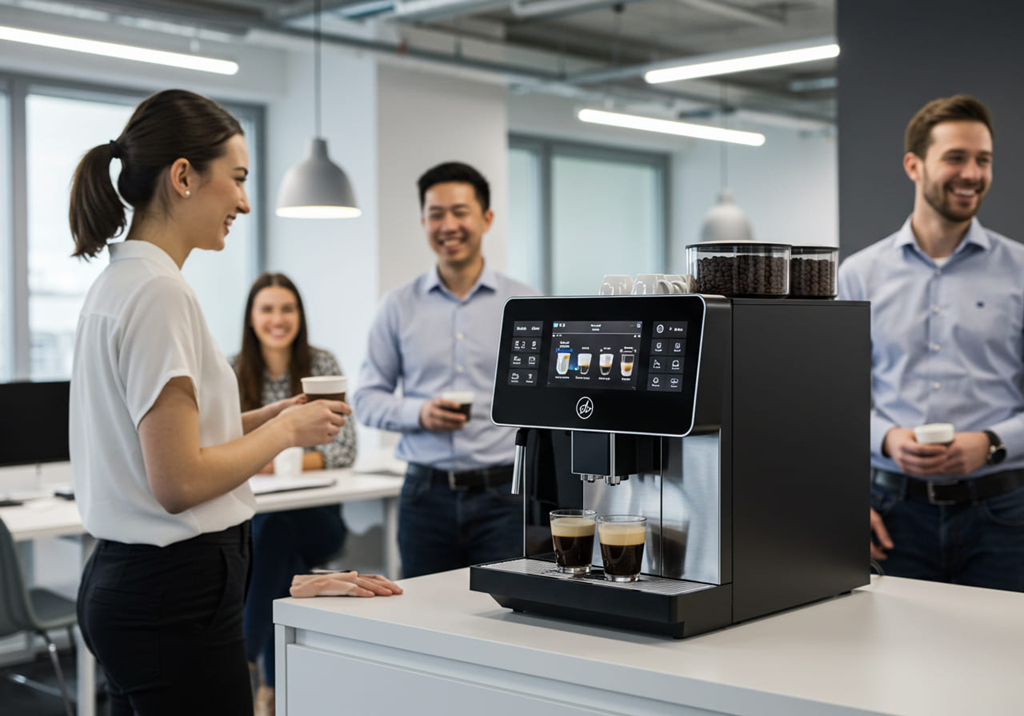
The coffee machine industry has undergone a quiet transformation over the past decade, driven not by cafes or restaurants but by the offices that collectively consume more coffee than any other sector. In Singapore, where work culture is intense and long hours are common, the office coffee machine has evolved from a basic amenity into a strategic workplace tool that influences productivity, morale, and even recruitment.
This shift has reshaped the industry from the inside out. Manufacturers are designing machines specifically for office environments. Service providers are building business models around maintenance and supply contracts. And the companies that invest in quality office coffee are discovering that the returns, in employee satisfaction and workplace culture, far exceed the cost.
How the Industry Has Changed
A decade ago, the office coffee machine market was dominated by two categories: cheap drip brewers that produced mediocre coffee and premium espresso machines that required a trained barista to operate. Neither was ideal for the typical office.
The gap has since been filled by fully automatic bean-to-cup machines that grind, tamp, brew, and froth milk at the touch of a button. These machines deliver cafe-quality coffee without any skill or effort from the user. They have become the backbone of the coffee machine industry as it serves the corporate sector.
Capsule and pod systems occupy another segment, offering variety and consistency with minimal maintenance. While they generate more packaging waste than bean-to-cup systems, their convenience has made them popular in smaller offices and meeting rooms.
Why Offices Are Investing More in Coffee
The investment in office coffee has grown because businesses now understand the connection between workplace amenities and employee performance.
Productivity.
Caffeine improves alertness, focus, and cognitive function. Providing easy access to quality coffee keeps employees energised without leaving the office for a cafe run that costs thirty minutes of productive time.
Collaboration.
The coffee point has become the modern equivalent of the water cooler. Informal conversations over coffee drive cross-team communication and spark ideas that formal meetings often fail to produce.
Retention and recruitment.
In a tight labour market, workplace perks influence where people choose to work. A well-stocked pantry with quality coffee signals that the company invests in its people’s daily experience.
Cost savings.
A single office coffee machine serving fifty employees replaces fifty individual cafe visits per day. Even at conservative estimates, the savings are substantial.
As Lee Kuan Yew once said, “The human being is the most important factor in any enterprise.” Investing in what fuels those human beings is a logical extension of that philosophy.
The Role of Service Providers
The growth of office coffee has created a thriving service sector. Companies like Daiohs have built their operations around supplying not just machines but complete office coffee solutions that include equipment, beans, consumables, maintenance, and hygiene management.
This full-service model has become the industry standard because it removes the administrative burden from the client. The office manager does not need to source beans, schedule servicing, or troubleshoot breakdowns. The service provider handles everything under a single contract.
The best providers go further, offering regular taste consultations, seasonal bean selections, and usage analytics that help offices optimise their coffee programme based on actual consumption patterns.
Trends Shaping the Industry in 2026
Several trends are driving the next phase of the coffee machine industry’s evolution.
Sustainability.
Offices are demanding machines and consumables with lower environmental footprints. Bean-to-cup systems that eliminate single-use capsules are gaining market share. Providers that source beans from certified sustainable farms have a competitive advantage.
Smart technology.
Connected machines that report usage data, flag maintenance needs, and reorder supplies automatically are becoming standard in larger offices. These smart features reduce downtime and ensure the coffee never runs out.
Specialty coffee.
Employee expectations have risen. Generic commercial blends are being replaced by single-origin and specialty-grade beans that offer distinct flavour profiles. The line between office coffee and cafe coffee continues to blur.
Health-conscious options.
Decaffeinated coffee, plant-based milk compatibility, and lower-sugar beverage options are increasingly requested as workforce health awareness grows.
What This Means for Singapore Businesses
For businesses evaluating their office coffee setup, the coffee machine industry now offers more choice, better quality, and more flexible arrangements than ever before. The days of settling for a basic machine and hoping for the best are over.
The businesses that treat office coffee as a strategic investment rather than a line-item expense are the ones reaping the benefits. Better coffee leads to happier employees. Happier employees stay longer, work harder, and speak positively about their workplace.
Getting Started
If your current office coffee setup has not been reviewed in the past two years, it is likely outdated. The industry has moved fast, and what was considered adequate in 2024 may fall short of employee expectations in 2026.
Start by assessing your current consumption, gathering employee feedback, and engaging a reputable coffee service provider for a consultation. The right partner will design a programme that fits your office size, budget, and taste preferences. The coffee machine industry has matured to the point where quality office coffee is accessible to businesses of every scale. The only question is whether you are taking advantage of it.
