

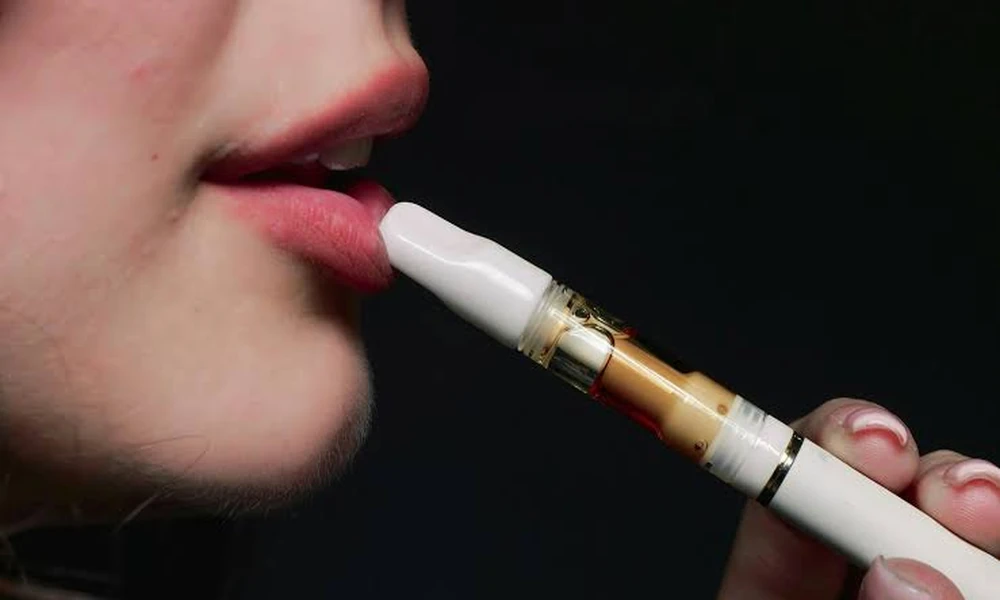
Vape cart construction involves a layered process where each component affects the final performance. Manufacturers begin with material selection, choosing metals and glass that resist corrosion from cannabinoid oils over time. DabConnection sources hardware built around this principle, prioritizing compatibility between the cartridge body and the oil formulation it carries. The assembly line moves through several stages before a finished cart reaches packaging. Each stage introduces variables that shape how the final product performs during use. Small deviations at any single point can carry forward into the finished unit. This is part of why manufacturers track each stage separately rather than treating assembly as one continuous process.
Component sourcing steps
Raw materials arrive from separate suppliers before assembly begins. Metal housings, ceramic coils and glass tanks are all inspected for consistency in dimension and finish. A mismatch in tolerance between parts creates leaks or uneven heating later in the product’s life.
- Metal housing check for thread alignment and surface finish.
- Ceramic coil testing for resistance consistency across batches.
- Inspection of the glass tank walls for thickness and clarity.
Suppliers who fail quality checks get removed from rotation quickly, since a single flawed batch can affect thousands of finished units downstream. Sourcing teams also track supplier history over time, keeping records of which batches passed inspection cleanly and which required rework.
Filling and sealing
- Oil filling happens under controlled temperature to maintain viscosity within a workable range. Too cold and the oil resists flow into the tank; too warm and it separates unevenly. Machines dispense measured amounts into each cartridge, then sealing mechanisms close the unit without introducing air pockets that later cause gurgling or inconsistent draws.
- Sealing quality gets checked through pressure testing on sample units pulled from each production run. This step catches defects before cartridges move toward the next phase of assembly, reducing the chance that a faulty seal reaches a finished product. Fill line operators also monitor viscosity readings throughout a shift, since ambient temperature in the facility can shift oil consistency even when equipment settings stay unchanged.
Coil assembly process
Coil placement determines how evenly oil vaporizes during use. Wick material threads through the coil housing and must sit at a precise depth. Too shallow, and the wick dries out fast, producing a burnt taste. Insufficient depth of the tank results in oil pools without efficient vaporization.
Technicians calibrate resistance readings on each coil before it moves forward. This calibration step exists because coil resistance directly affects how much power a battery needs to deliver. An inconsistent reading throws off the entire vaping experience, even if every other component performs correctly.
Final testing stage
Completed cartridges pass through a final inspection line where draw resistance, leak potential and visual defects are checked together. Each unit gets a short burn test to confirm the coil activates properly without producing excess heat or off-flavour.
Packaging follows only after a cart clears every checkpoint. This layered approach, from material sourcing through final testing, reflects how much of a vape cart’s reliability depends on decisions made long before it reaches a finished, shelf-ready state. Testing teams also log results from each batch, building a record that helps identify slow drifts in quality. These drifts might not show up in any single unit but become clear across a full production run.
Each stage feeds into the next, and a shortcut taken during sourcing or filling shows up later as a problem the user notices right away. Careful coordination across sourcing, filling, coil assembly and testing separates a cart that holds up through repeated use from one that falls short partway.
