

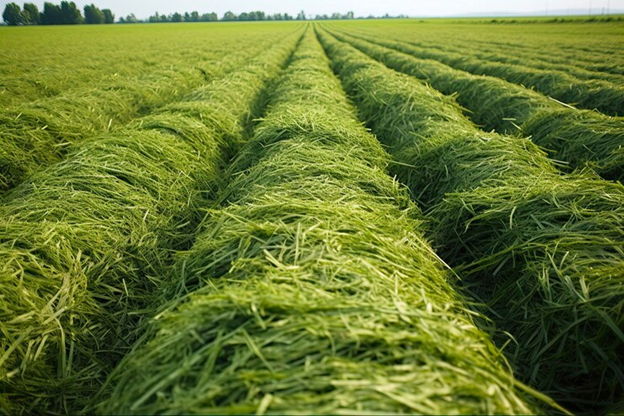
Hay, a staple in most livestock diets, provides essential nutrients for healthy animals and optimal production. However, improper storage can significantly reduce the nutritional value of hay, leading to increased waste and decreased feed efficiency. This article explores effective hay storage techniques that help you get the most out of your valuable forage resource.
The Importance of Preservation
Hay quality directly impacts its nutritional value and how well livestock utilize it. Here’s why proper storage matters:
- Nutrient Loss: Exposure to heat, moisture, and sunlight can degrade essential nutrients like protein, carbohydrates, and vitamins in hay.
- Mold Growth: Damp hay creates a breeding ground for mold, which can be harmful to animals and reduce palatability.
- Leaf Shatter: Rough handling or improper storage can cause hay leaves to shatter, resulting in significant nutrient loss as leaves contain the most valuable nutrients.
Building a Fortress for Hay
The ideal hay storage method depends on factors like climate, hay quantity, and budget. Here are the three main storage options:
- Bales in a Barn: Storing baled hay in a well-ventilated barn offers protection from the elements and reduces exposure to sunlight. Ensure proper air circulation to prevent moisture buildup and mold growth.
- Haystacking: This traditional method involves stacking loose hay outdoors in a cone-shaped structure. Haystacking requires careful construction and a well-drained location to prevent spoilage. It’s best suited for drier climates.
- Round Bales: Round bales can be stored outdoors wrapped in plastic. Proper wrapping protects the hay from moisture and reduces waste. However, punctures in the wrap can lead to spoilage.
Hay Handling Techniques
Careful handling from the field to storage minimizes damage and preserves hay quality. Here are key practices:
- Curing Hay Properly: Hay needs to be cured to an appropriate moisture level before storage. Overly wet hay is prone to mold growth, while overly dry hay suffers from excessive leaf shatter.
- Bale Density: Properly compressed bales minimize air pockets and reduce the risk of mold growth. Loosely packed bales allow moisture penetration and nutrient loss.
- Stacking Techniques: When storing bales in a barn, ensure proper stacking techniques to promote air circulation and prevent mold growth. Leave space between bales and walls for airflow.
Maintaining Hay Quality
Once hay is stored, ongoing vigilance is crucial to maintain its quality:
- Monitoring Moisture Levels: Hay stored outdoors, especially in round bales, might require periodic moisture checks. If moisture levels rise, the hay might need to be re-wrapped or fed sooner to prevent spoilage.
- Temperature Monitoring: Internal hay temperature can rise due to microbial activity. Monitoring temperature, especially in large haystacks, helps identify potential heating and spoilage issues.
- Feeding First-In, First-Out: Following a first-in, first-out (FIFO) feeding strategy ensures older hay doesn’t get pushed aside and wasted. Rotate hay bales or sections of a haystack regularly.
Spoilage Doesn’t Have to Spoil Your Budget
Even with proper storage, some spoilage might occur. Here’s how to minimize waste:
- Sorting and Segregating: Sort through hay bales and separate spoiled sections from usable hay. Spoiled hay can be composted or used for bedding.
- Gradual Introduction: If some hay shows minor spoilage but isn’t moldy, introduce it gradually to livestock alongside higher-quality hay. Monitor animal behavior and adjust feeding strategies accordingly.
If you’re looking for high-quality alfalfa hay for sale, consider contacting reputable hay suppliers who prioritize proper storage practices.
Conclusion
By implementing proper hay storage techniques, you can significantly reduce waste and maximize the nutritional value of your hay. This translates to improved feed efficiency, reduced feed costs, and ultimately, healthier and more productive livestock. Remember, investing in proper hay storage is an investment in the future of your livestock operation.
