

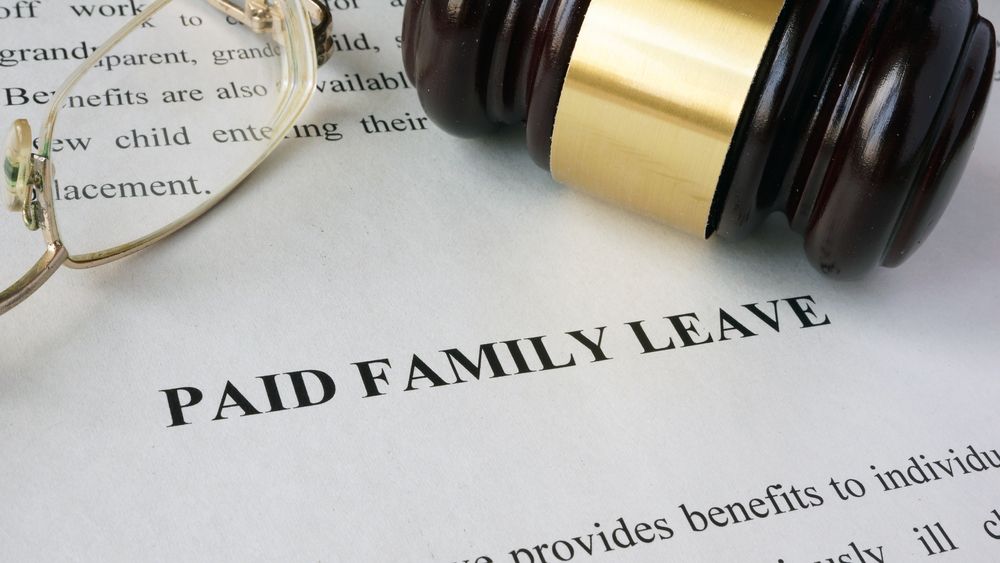
Losing a job while you are out on medical leave is one of the more disorienting experiences an employee can face. You followed the process. You gave notice. You submitted the paperwork. And then, while you were recovering from surgery, caring for a seriously ill parent, or bonding with a new child, you received word that your position has been eliminated or that your employment is being ended. The timing feels wrong because in many cases it is wrong. Wrongful termination lawyers in Dallas who handle FMLA cases are accustomed to a specific pattern: an employer who calls a termination a restructuring or a performance decision, knowing that the real timing of the action was driven by the employee’s use of protected leave.
The Family and Medical Leave Act creates enforceable rights for eligible employees in Texas, and those rights do not dissolve when an employer decides they are inconvenient. Understanding what the law actually requires, what employers are and are not permitted to do while you are on leave, and what constitutes actionable interference or retaliation is the foundation for evaluating whether your termination crossed a legal line.
What the FMLA Actually Guarantees
The FMLA entitles eligible employees of covered employers to up to 12 weeks of unpaid, job-protected leave per year for qualifying reasons. These include a serious health condition affecting the employee, care for an immediate family member with a serious health condition, the birth or adoption of a child, and certain military family leave situations. A separate provision allows up to 26 weeks to care for a covered military servicemember with a serious injury or illness.
Eligibility requires that the employee have worked for the employer for at least 12 months, have worked at least 1,250 hours during the preceding 12-month period, and work at a location where the employer has at least 50 employees within 75 miles. Employers with fewer than 50 employees are not covered by the FMLA, which means employees of smaller Dallas businesses may need to rely on other legal frameworks if they face leave-related termination.
Job protection under the FMLA means the employer must restore the employee to the same position held before the leave, or to an equivalent position with equivalent pay, benefits, and other terms of employment. An employer who allows FMLA leave and then returns the employee to a position with reduced responsibilities, a different schedule, or lower pay has violated the restoration requirement regardless of whether a formal termination occurred.
FMLA Interference and FMLA Retaliation: Two Distinct Legal Claims
FMLA cases in Texas can arise under two separate theories, and the distinction matters for how the claim is structured and what the employee must prove.
An interference claim arises when an employer fails to provide the leave the employee was entitled to, discourages the employee from taking it, fails to give required notice of FMLA eligibility, counts FMLA absences as negative attendance events, or fails to restore the employee to the same or equivalent position after leave. Interference does not require proof that the employer acted with discriminatory or retaliatory intent. What matters is whether the employer denied or impeded a right the employee was legally entitled to exercise.
A retaliation claim arises when an employer takes an adverse employment action against an employee because the employee exercised FMLA rights. A termination that occurs during or immediately after FMLA leave is the most direct example, but retaliation can also include demotion, reduction in hours or pay, reassignment to a less desirable role, or negative performance evaluations that begin after FMLA leave is taken. Unlike interference claims, retaliation claims require the employee to show that the exercise of FMLA rights caused the adverse action.
Both theories can apply simultaneously. An employer who terminates an employee during FMLA leave by citing a restructuring may have both interfered with the employee’s right to return to work and retaliated against the employee for taking leave, depending on the specific facts. Employment attorneys evaluate both theories when assessing an FMLA-related termination.
The Justifications Employers Commonly Offer and How Courts Evaluate Them
Employers who terminate employees during or after FMLA leave rarely say the leave was the reason. The stated justification is almost always something else: a performance issue that had been building, a restructuring that eliminated the position, a reduction in force that was already underway. These explanations are not automatically pretextual, but they warrant scrutiny when the timing aligns closely with an FMLA request or return.
The FMLA does not require an employer to retain an employee who would have been terminated regardless of the leave. An employer who can demonstrate through documented evidence that the termination decision was made before the FMLA request, or that it was driven entirely by factors unrelated to the leave, has a viable defense. What courts scrutinize is whether the evidence supporting that defense is consistent and contemporaneous, or whether it was assembled after the fact to justify a decision that was actually motivated by the leave.
Key questions in this analysis include whether the employer had documented performance concerns before the FMLA leave was requested; whether similarly situated employees who did not take FMLA leave were treated the same way; whether the employer followed its own progressive discipline procedures before the termination; and whether the termination decision was made by the same individuals who were aware of the FMLA leave. Each of these is an evidentiary question that an employment attorney will evaluate against the specific documents and communications from your employment.
Intermittent Leave: Where FMLA Abuse Allegations Most Often Arise
Many FMLA retaliation cases in Dallas involve not a continuous block of leave but intermittent FMLA leave, where an employee takes individual days or partial days for a qualifying chronic condition. Intermittent leave is disruptive to scheduling and is often resented by employers and managers in ways that create a paper trail of frustration.
An employer is permitted to require that intermittent leave be taken in the minimum increment specified by its leave policy, and it may require periodic recertification of the qualifying condition. What an employer cannot do is count intermittent FMLA days as unexcused absences, discipline or terminate an employee for attendance problems that are entirely attributable to FMLA-qualifying absences, or require the employee to find shift coverage as a condition of taking FMLA leave.
Employees who were terminated for attendance issues that included a substantial proportion of FMLA-protected absences have a plausible retaliation claim even if the employer characterized the termination as a neutral attendance policy enforcement. Whether the policy was applied consistently to employees with and without FMLA leave, and whether the specific absences counted against the employee were properly protected, are factual questions that determine the strength of the claim.
Deadlines and What to Preserve Before Contacting an Attorney
FMLA retaliation and interference claims have a two-year statute of limitations for non-willful violations and a three-year period for willful ones. Unlike Title VII claims, FMLA claims do not require a prior EEOC charge before a lawsuit can be filed, which means the path to litigation is more direct. The limitations period runs from the date of the violation, which in a termination case is typically the date the termination became effective.
Before contacting an attorney, document what you have access to. This means saving copies of all FMLA paperwork you submitted and received, any communications with HR or management about the leave, performance reviews from before and after the leave was requested, emails or messages that reflect how management discussed your leave or return, and any documentation related to the termination itself. Preserve these in personal accounts or printed copies. Access to employer systems ends at termination, and records that were not saved before that point may be difficult or impossible to recover.
Contact Wrongful Termination Lawyers in Dallas to Evaluate Your FMLA Claim
A termination that occurred during or after FMLA leave does not automatically give rise to a claim, and a termination that seems unrelated to the leave is not automatically lawful. The facts of each case determine the outcome, and evaluating those facts requires legal knowledge of how FMLA cases are built in the Fifth Circuit, how employer defenses are analyzed, and what evidence courts find persuasive.
The Mundaca Law Firm’s wrongful termination lawyers in Dallas represent employees who have been fired during or following FMLA leave, including cases involving interference with the right to return, retaliation for taking leave, and attendance-based terminations that failed to account for FMLA-protected absences. If your termination coincided with medical leave and the employer’s explanation does not fully account for the timing, contact The Mundaca Law Firm to schedule a consultation before the limitations period limits your options.
