

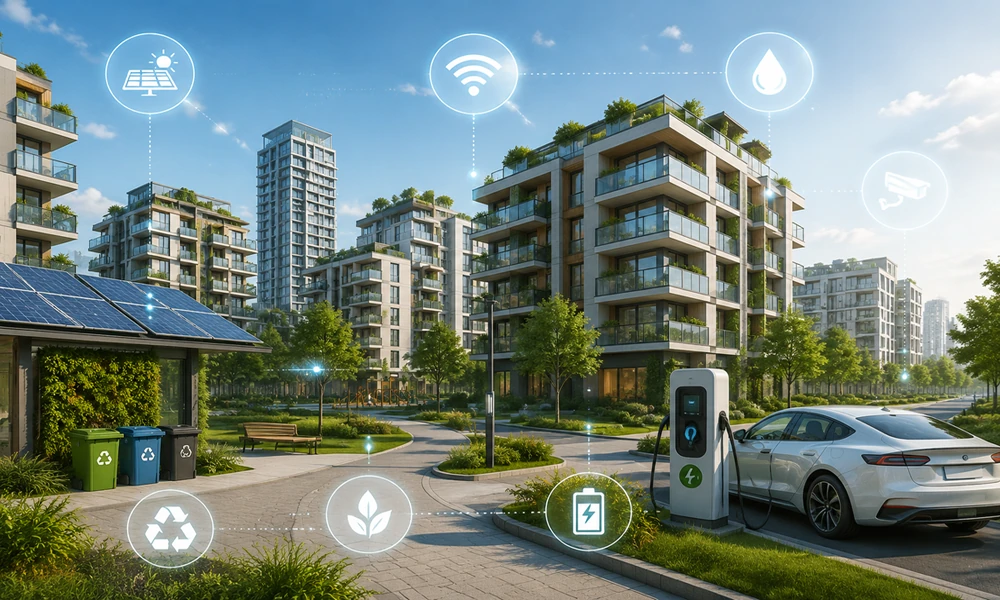
A future-ready residential development is designed to remain useful, comfortable, and relevant as lifestyles and urban conditions change. In Singapore, where technology, infrastructure, sustainability, and household needs continue to evolve, buyers are increasingly interested in properties that can adapt over time. Future readiness is not simply about adding the latest features. It involves thoughtful planning across building design, technology, amenities, environmental performance, and the surrounding neighbourhood. Understanding these factors can help buyers assess whether a development is prepared for the needs of tomorrow.
Flexible Homes for Changing Needs
Household requirements can change significantly over the years. A couple may eventually need additional space for children, while professionals may require dedicated areas for working from home. Residential developments with practical and adaptable layouts can accommodate these changes more effectively.
Flexible rooms, efficient storage, and well-planned living areas allow homeowners to adjust their spaces without major alterations. Buyers should consider whether a property’s layout can support different uses as circumstances change. Adaptability can be particularly valuable for those planning to remain in their homes for many years.
Technology That Serves a Purpose
Technology is becoming increasingly integrated into residential living. Smart access systems, digital security, energy monitoring, and home automation can improve convenience when they are designed around genuine resident needs.
Future-ready developments should also consider whether their technology infrastructure can accommodate upgrades. Systems that can be updated as new solutions become available are more useful than features that quickly become outdated. Buyers should therefore look at the quality and flexibility of the underlying technology rather than focusing solely on the number of smart features advertised.
Sustainable Building and Resource Use
Environmental performance is another important element of future-ready development. Energy-efficient systems, water-saving features, sustainable materials, and effective waste management can help reduce resource consumption while supporting more responsible urban living.
Greenery and thoughtful building design can also contribute to resident comfort. Natural lighting, ventilation, shading, and landscaped areas may improve the quality of the living environment while supporting sustainability objectives. These features can become increasingly relevant as expectations around environmental responsibility continue to grow.
Amenities That Remain Relevant
Residential amenities should be designed to serve residents over the long term. Facilities that support fitness, recreation, social interaction, relaxation, and family activities are likely to remain useful as lifestyles change.
Developments such as The Serra Residences illustrate why buyers may evaluate amenities as part of a broader residential experience. The most valuable facilities are those that offer practical benefits and can accommodate different age groups and lifestyles rather than simply creating visual appeal.
Strong Connections With the Neighbourhood
A future-ready home also depends on its surrounding environment. Access to public transport, schools, healthcare, shopping areas, parks, and employment centres can influence how suitable a property remains as residents’ needs develop.
Neighbourhood infrastructure may change significantly over time, making future planning an important consideration. Buyers should examine existing facilities alongside planned improvements to understand how the wider area may evolve. A well-connected location can provide greater flexibility as household routines change.
Designing for Resilience and Comfort
Future-ready developments should be capable of responding to changing environmental and urban conditions. Building materials, drainage systems, landscaping, energy management, and maintenance planning can all contribute to a property’s long-term resilience.
Comfort should remain central to this approach. A development that combines efficient systems with good ventilation, shading, natural light, and thoughtful outdoor spaces can create a more pleasant environment. Resilience is most effective when it is integrated into everyday design rather than treated as a separate feature.
Community Spaces That Adapt
The role of shared spaces is also changing. Residents may use communal areas for social gatherings, exercise, work, family activities, or relaxation. Flexible spaces can therefore provide greater long-term value than areas designed for only one purpose.
Good planning can allow shared facilities to accommodate different activities without compromising comfort. This adaptability helps developments respond to changing preferences while encouraging residents to make greater use of communal areas.
Quality Management Matters Over Time
Even the best-designed development requires effective management to remain future-ready. Facilities, security systems, landscaping, common areas, and building equipment need consistent maintenance and periodic upgrades.
Projects such as Dunearn Green demonstrate why buyers may consider both initial design and long-term residential quality when assessing a property. A development’s ability to maintain its facilities and respond to changing expectations can influence how well it performs as a living environment over time.
Looking Beyond Current Trends
Future readiness is ultimately about adaptability rather than predicting every change. A residential development cannot anticipate every technological advancement or lifestyle shift, but thoughtful design can give residents the flexibility to respond.
Homebuyers should therefore look for efficient layouts, useful technology, sustainable systems, adaptable amenities, strong neighbourhood connections, and reliable management. These fundamentals can help a property remain practical and comfortable as circumstances evolve. Choosing a future-ready development means selecting a home that is designed to support today’s needs while remaining prepared for tomorrow’s possibilities.
