

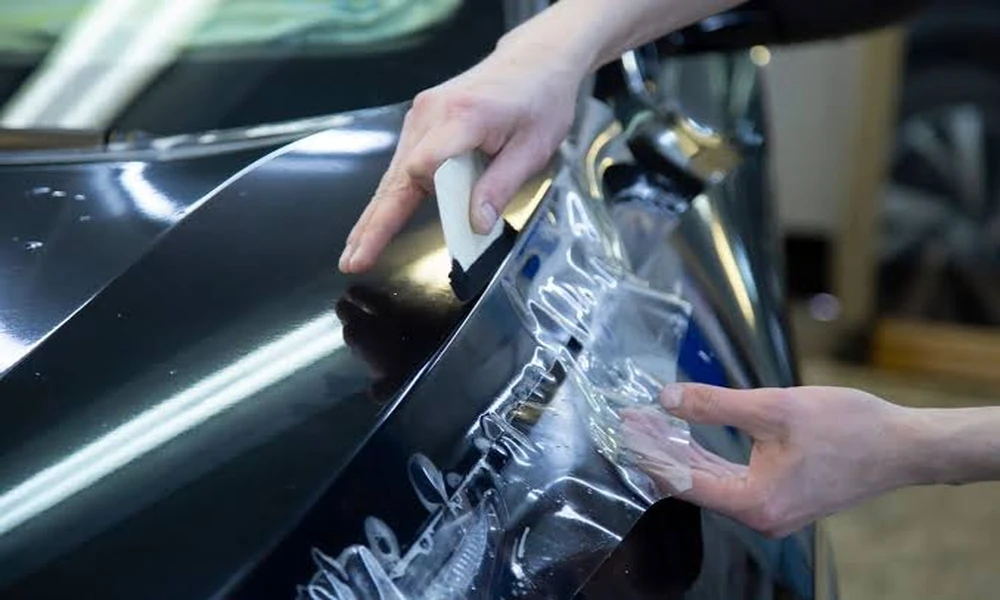
Road paint damage often begins with tiny impacts. Gravel, grit, insects, and road debris can slowly mark exposed surfaces. Paint protection film creates a clear barrier against these daily threats. For drivers considering PPF installation San Leandro, understanding impact resistance, chemical protection, self-healing behavior, and maintenance benefits helps clarify the film’s practical value.
A Clear Barrier Absorbs Impact
PPF places a resilient urethane layer above painted panels. When gravel strikes the surface, the film absorbs part of that force. The underlying paint receives less direct abrasion. This matters most around bumpers, hoods, mirrors, and lower doors.
- Gravel strikes the film first.
- Road grit loses cutting force.
- Small scratches remain above factory paint.
- Paint retains a smoother visible finish.
What Happens During Gravel Impacts?
At highway speed, loose stones can hit with surprising force. A quality film spreads impact across its flexible surface. Minor marks can remain confined to the protective layer. Without that barrier, the same strike may chip clear coat or expose colored paint.
The difference becomes noticeable after repeated driving. A single stone may cause little concern. Hundreds of small impacts can create visible wear across vulnerable panels.
Road Chemicals Find Less Access
Paint faces more than physical debris. Bug residue, bird droppings, fuel splashes, and harsh road grime can affect exposed finishes. PPF adds another surface between contaminants and automotive paint.
For PPF installation San Leandro, proper application helps maintain consistent film coverage across selected panels.
- Contaminants contact film first.
- Cleanup becomes less aggressive.
- Clear coat faces fewer chemical exposures.
- Gloss remains easier to maintain.
Can PPF Reduce Surface Scratching?
Light scratches often result from ordinary contact rather than collisions. Washing equipment, dusty wiping, loose clothing, and roadside brush can create fine marks. Certain modern films use elastomeric layers that recover from minor surface damage with warmth.
Heat from sunlight can encourage this recovery. Warm water may also activate the effect on suitable products. Deep cuts still require realistic expectations.
Why Does Maintenance Feel Easier?
A protected surface changes routine cleaning. Contaminants remain on the film rather than bonding directly with exposed paint. Gentle washing can remove residue without aggressive scrubbing.
That advantage becomes useful after long highway trips. Front-facing panels collect the heaviest debris, especially around bumper edges and mirror caps. Protecting those zones can reduce frequent paint correction needs.
Front-End Film Changes Ownership Wear
A vehicle can accumulate thousands of road exposures each year. PPF does not make paint invulnerable, but it changes where minor damage occurs. Instead of repeatedly reaching the factory finish, everyday abrasion meets a replaceable protective layer.
That distinction has a practical consequence: preserving original paint becomes less dependent on perfect road conditions. Even a small stone impact can demonstrate why that separation matters.
FAQs
Does PPF prevent all paint damage?
No. PPF mainly protects against light impacts, abrasion, and contaminants. Severe collisions can still damage the film and underlying panel.
Can PPF protect against road salt?
PPF can reduce direct exposure to road salt. Regular washing remains important because accumulated residue can still affect surfaces.
Does PPF repair deep scratches?
Self-healing films can reduce certain fine marks. Deep cuts or punctures may require film replacement.
Which vehicle areas benefit most?
Front bumpers, hoods, mirrors, and rocker panels face frequent exposure. Those locations commonly receive the greatest protection benefit.
