

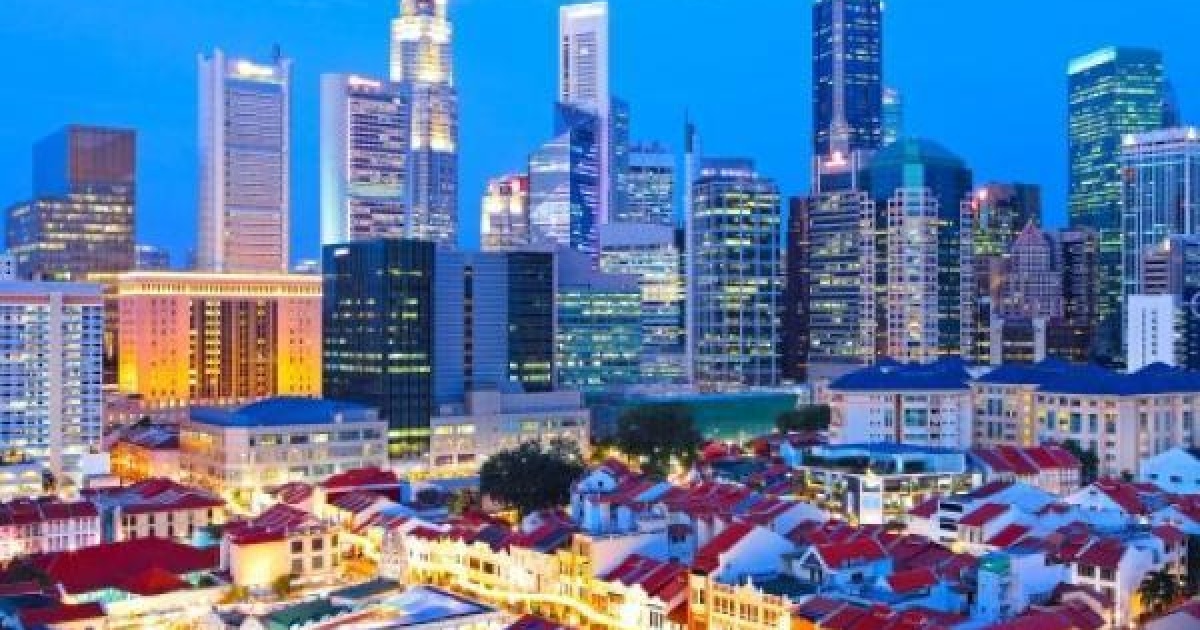
The Singapore property market continues to evolve in response to economic shifts, government policies, and long-term urban planning strategies. As we move deeper into 2026, investors are paying closer attention to emerging trends that could shape property values, rental demand, and investment opportunities over the next decade.
Unlike speculative markets, Singapore’s real estate sector is driven by fundamentals. This makes trend analysis especially important for investors looking to position themselves ahead of structural changes rather than short-term fluctuations.
Decentralisation of the Business Landscape
One of the strongest long-term trends in Singapore is decentralisation. Instead of concentrating business activity in the Central Business District, the government has been actively developing regional hubs across the island.
This strategy reduces congestion while creating new economic zones closer to residential areas. These regional centres are expected to become major employment nodes, increasing housing demand in surrounding districts.
A key example of this transformation is the Jurong Lake District, which is being developed into a second CBD. Residential developments such as Lucerne Grand are strategically positioned to benefit from this shift, as they are located near future commercial and transport infrastructure that will drive long-term demand.
Rise of Integrated and Mixed-Use Developments
Another major trend is the increasing popularity of integrated developments. Buyers and tenants are now prioritizing convenience, leading to stronger demand for projects that combine residential, retail, and lifestyle components in a single environment.
These developments reduce travel time and offer a more seamless daily experience. As a result, they tend to maintain strong occupancy rates and stable rental demand.
Future projects in Singapore are expected to further integrate workspaces, wellness facilities, and community spaces, reflecting a shift toward self-contained urban living.
Sustainability and Green Urban Living
Sustainability has become a core focus in Singapore’s property development strategy. With increasing global emphasis on environmental responsibility, new residential projects are being designed with energy efficiency and eco-friendly features in mind.
Green building certifications, smart energy systems, and environmentally conscious landscaping are now standard in many new launches.
This trend is not only environmentally driven but also economically relevant. Properties with sustainable features often attract higher demand from both tenants and buyers, especially among younger demographics who prioritize environmental impact.
Waterfront and Lifestyle Property Demand
Luxury and lifestyle-driven properties continue to hold strong appeal in Singapore’s high-end market. Waterfront developments, in particular, remain highly sought after due to their limited availability and premium living experience.
Projects such as Island Residencesreflect this ongoing demand. Located near key coastal and urban zones, such developments offer a blend of exclusivity, scenic views, and proximity to business districts.
As land scarcity increases, waterfront and lifestyle-oriented properties are expected to maintain strong pricing power over the long term.
Interest Rate Sensitivity and Buyer Behavior
Global interest rate movements continue to influence buyer sentiment in Singapore’s property market. Higher borrowing costs tend to reduce short-term demand, particularly among leveraged buyers.
However, Singapore’s property market has shown resilience due to its strong underlying fundamentals. Many buyers adopt a long-term view, focusing on asset stability rather than short-term financing costs.
As interest rates stabilize, demand is expected to gradually recover, particularly in well-located and high-quality developments.
Shift in Foreign Buyer Preferences
Foreign investment remains an important segment of Singapore’s property market, although regulatory measures have moderated speculative activity.
Foreign buyers tend to focus on:
- Prime central locations
- Luxury condominiums
- Waterfront or lifestyle developments
- Properties with strong rental potential
While cooling measures have reduced short-term speculation, Singapore remains an attractive destination for long-term capital preservation.
Rental Market Stabilization
The rental market in Singapore has experienced fluctuations in recent years, but it is gradually moving toward stabilization. Demand remains strong due to limited housing supply and continued inflow of expatriates and professionals.
As new residential supply enters the market, rental growth is expected to moderate but remain stable, especially in well-connected districts.
Properties near transport hubs, business districts, and lifestyle amenities will continue to outperform in terms of occupancy and rental resilience.
Technology and Smart Living Integration
Smart home technology is becoming increasingly common in new residential developments. Features such as automated lighting, security systems, and energy management tools are now standard expectations rather than luxury add-ons.
This shift reflects broader changes in consumer behavior, where convenience and efficiency are highly valued.
Future developments are expected to further integrate digital infrastructure, creating smarter and more connected living environments.
Investment Strategy Outlook
For investors, 2026 presents a market defined by stability rather than volatility. Instead of rapid price surges, growth is expected to be steady and driven by long-term fundamentals.
Key strategies include:
- Focusing on location-driven investments
- Prioritizing properties near future infrastructure
- Balancing rental yield with capital appreciation
- Considering both emerging and established districts
A diversified approach remains the most effective way to navigate changing market conditions.
Final Thoughts
The Singapore property market continues to evolve in a structured and predictable manner, guided by long-term planning and economic resilience. While trends such as decentralisation, sustainability, and integrated living are reshaping demand, the core principles of real estate remain unchanged.
Location, connectivity, and future growth potential continue to define property value. Whether it is a growth-oriented development in an emerging district or a premium lifestyle residence, investors who align with these macro trends are best positioned for long-term success.
As Singapore moves further into 2026, the market remains one of the most stable and strategically planned real estate environments in the world, offering opportunities for both growth and security.
